Common Causes of Paver Shifting and Settling
Understanding common causes of paver shifting and settling helps homeowners identify issues and connects them with local contractors who can effectively repair and stabilize their paver surfaces.
Understanding the common causes of paver shifting and settling can help property owners identify potential issues before they become costly repairs. Pavers are a popular choice for patios, walkways, and driveways, but they are susceptible to movement caused by various factors such as soil instability, improper installation, or changes in moisture levels. Recognizing these underlying reasons can empower homeowners and property managers to address problems early, ensuring the longevity and safety of paved surfaces. Local contractors experienced in paver repair are well-equipped to evaluate these causes and recommend appropriate solutions to restore stability and appearance.
Exploring the reasons behind paver movement is especially relevant for those noticing uneven surfaces, loose pavers, or cracks developing over time. Soil that shifts or erodes, inadequate base preparation, or drainage issues can all contribute to paver settling. Addressing these issues often involves more than just repositioning the pavers; it may require proper ground preparation, drainage improvements, or foundation stabilization. Connecting with local service providers who specialize in paver repair can help ensure that the root causes are properly managed, leading to durable and visually appealing results. Keep reading to learn more about how these common causes can be effectively addressed by skilled professionals.
- Paver Repair Services - are often needed when shifting or settling occurs due to soil movement beneath the pavers, and local contractors can stabilize and reset the affected areas.
- Foundation and Base Repair - may be required if poor base preparation causes paver shifting, with service providers restoring proper support to prevent future issues.
- Drainage Solutions - are essential when improper drainage leads to water accumulation that weakens the soil and causes paver settling, with local pros improving water flow around the site.
- Soil Stabilization - is necessary when soil erosion or compaction problems contribute to shifting, and local contractors can implement measures to reinforce the ground.
- Paver Replacement and Releveling - are common solutions when pavers become uneven or loose, with service providers carefully lifting, realigning, or replacing affected pavers to restore a level surface.
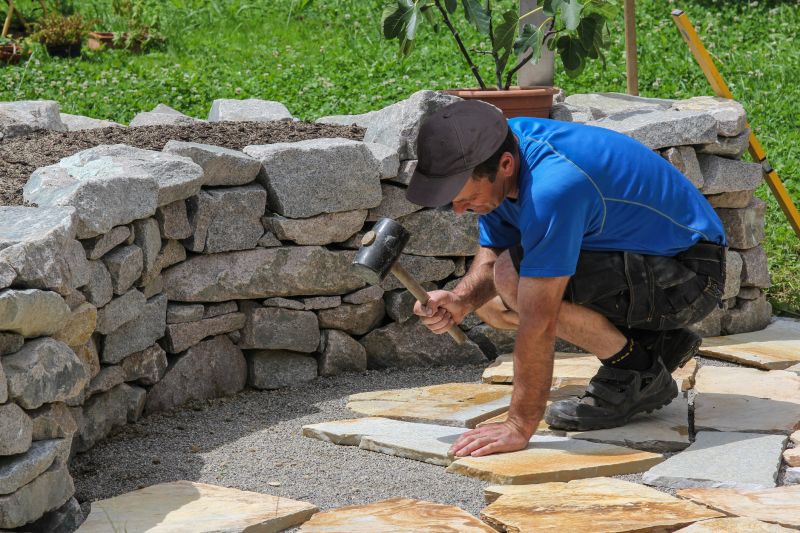
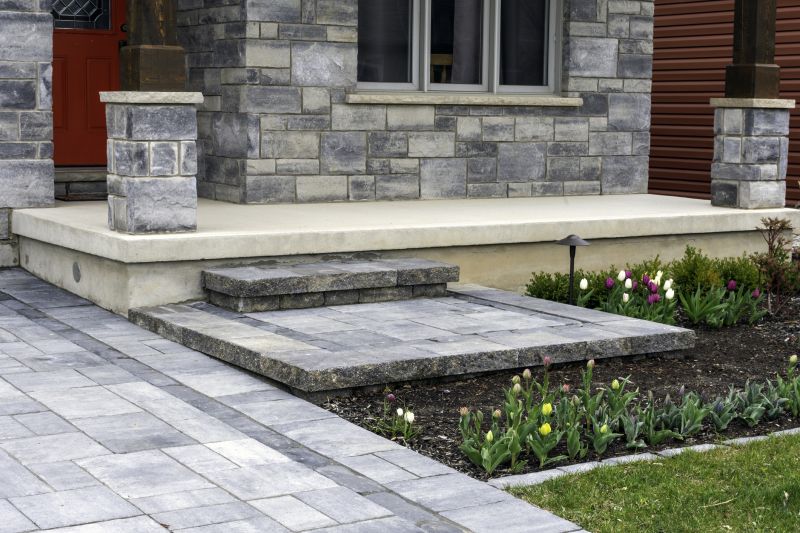
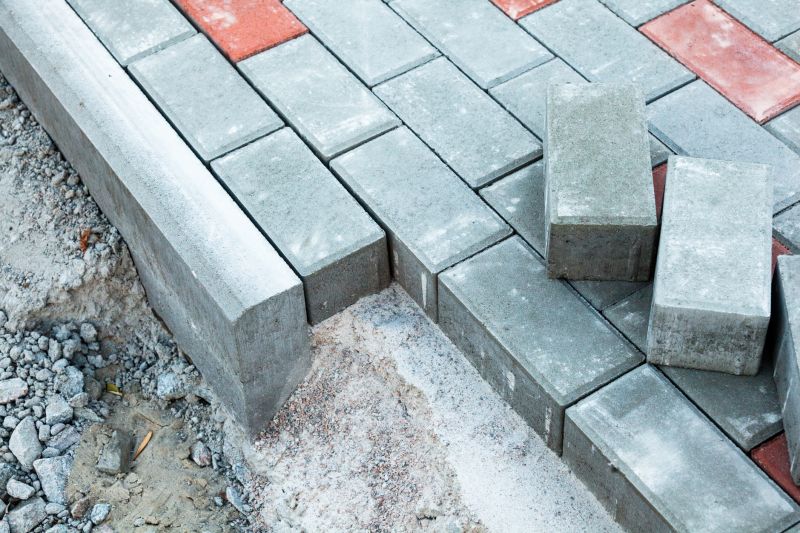
When homeowners search for information about common causes of paver shifting and settling, they are typically trying to understand why their paved surfaces are becoming uneven or developing noticeable gaps. This concern often arises when a previously smooth patio, walkway, or driveway begins to develop uneven spots, cracks, or loose pavers that move out of position. Such issues can affect the safety, appearance, and longevity of the paved area, prompting questions about what might be causing the problem and how to address it. Understanding the root causes helps homeowners plan effective repairs and prevent future shifting, making it a common topic for those looking to maintain or restore their outdoor spaces.
These shifting and settling issues are often related to underlying problems in the foundation or installation process. For example, improper base preparation-such as inadequate compaction or using substandard materials-can lead to instability over time. Changes in moisture levels beneath the pavers, caused by poor drainage or soil conditions, can also cause the ground to expand or contract, resulting in movement. Additionally, natural soil movement, such as settling or shifting due to erosion or tree roots, can exert pressure on the pavers and cause them to shift. These problems are especially relevant for projects involving large or heavily used paved areas, where stability is critical to avoid ongoing maintenance issues.
The types of properties most affected by paver shifting and settling tend to include residential homes, commercial properties, and public spaces with paved surfaces. Residential properties with driveways, patios, or walkways are common sites for these issues, especially if the ground beneath was not properly prepared initially. Commercial properties like retail centers or office complexes with extensive paved areas may experience shifting due to heavy traffic or poor drainage. Public parks and community spaces with paved pathways are also susceptible to natural ground movement that can lead to paver misalignment. Local service providers specializing in paver repair can assess these properties to identify the specific causes and recommend effective solutions to restore stability and appearance.
Addressing common causes of paver shifting and settling often involves a combination of proper diagnosis and targeted repairs. Local pros experienced in paver repair are well-equipped to evaluate the site, determine whether issues stem from soil conditions, base preparation, or drainage problems, and then implement appropriate fixes. These can include regrading the area, replacing or adding a more stable base layer, or improving drainage to prevent water accumulation. By understanding the typical causes behind shifting and settling, homeowners can better appreciate the importance of professional assessment and repair, ensuring that their paved surfaces remain safe, functional, and visually appealing for years to come.
Landscaping and grading projects - these involve preparing soil and terrain, skills that are essential for understanding how ground movement can affect paver stability and addressing shifting issues.
Concrete and sidewalk repair - similar tools and planning are used to fix uneven surfaces caused by soil movement, making these services relevant to paver settling problems.
Driveway and patio installation - expertise in laying and leveling surfaces helps identify causes of shifting and ensures proper foundation for paver stability.
Drainage system installation - managing water flow and preventing erosion are critical for maintaining paver placement and preventing settling caused by water damage.
Foundation repair services - understanding soil stability and foundation support can help address underlying issues that lead to paver shifting and settling.
Retaining wall construction - skills in structural support and soil management are applicable to controlling ground movement that affects paver surfaces.
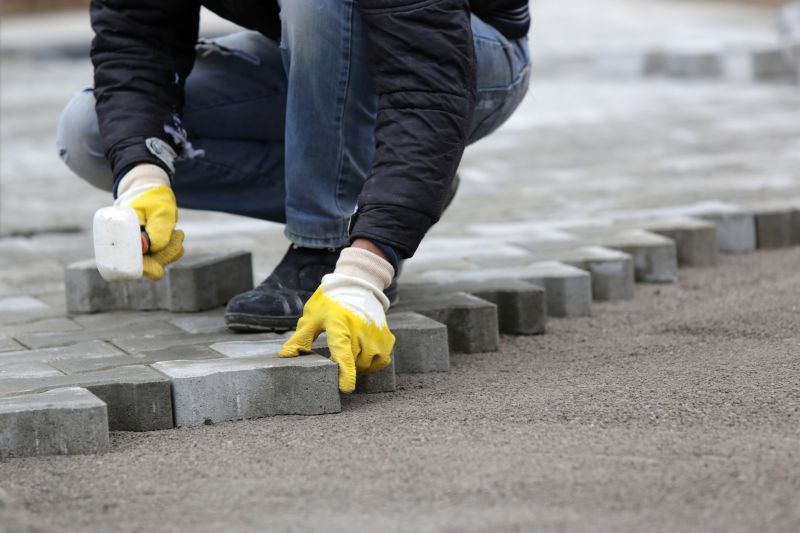
When evaluating service providers for paver repair, it is important to consider their experience with similar projects, especially those involving common causes of paver shifting and settling. Homeowners should inquire about the types of repairs the contractor has performed in the past and whether they have successfully addressed issues like poor base preparation, soil movement, or drainage problems that contribute to paver instability. An experienced local contractor will have a clearer understanding of how these factors interact and will be better equipped to recommend effective solutions based on their previous work.
Clear written expectations are essential when comparing local contractors for paver repair services. Homeowners should seek detailed descriptions of the scope of work, including the steps involved in correcting shifting or settling, as well as the materials and methods that will be used. Having this information in writing helps ensure that both parties are aligned on the project’s goals and prevents misunderstandings. Good communication from the start can also provide insight into how responsive and transparent a service provider is, which is valuable when making a decision.
Reputable references and a history of good communication are key factors in choosing a reliable local contractor. Homeowners can ask for references from past clients who had similar paver issues and verify the quality of the work performed. Additionally, a service provider who communicates clearly and promptly can make the process of addressing paver shifting and settling much smoother. Trustworthy contractors are often transparent about their processes and willing to answer questions, making it easier for homeowners to feel confident in their choice and to understand the repair process thoroughly.
Property owners often search for common causes of paver shifting and settling when they are planning practical projects around their homes and businesses. Local pros provide Paver Repair services for everyday jobs and straightforward project options.
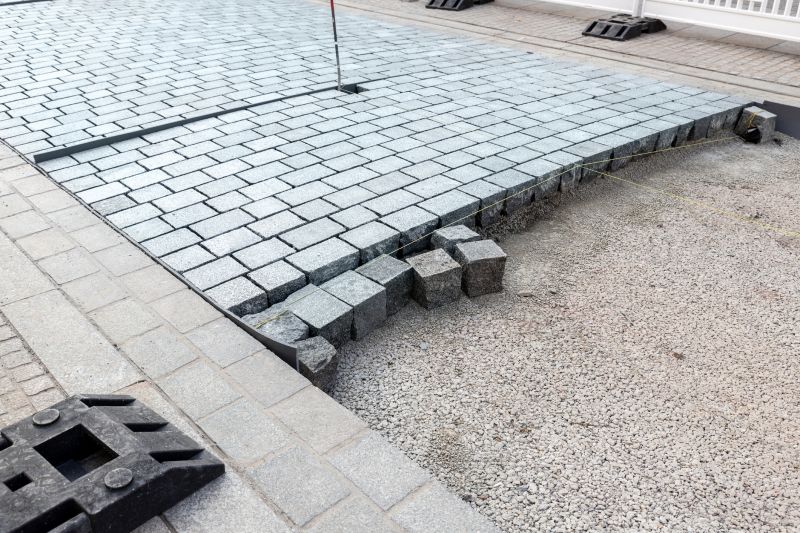
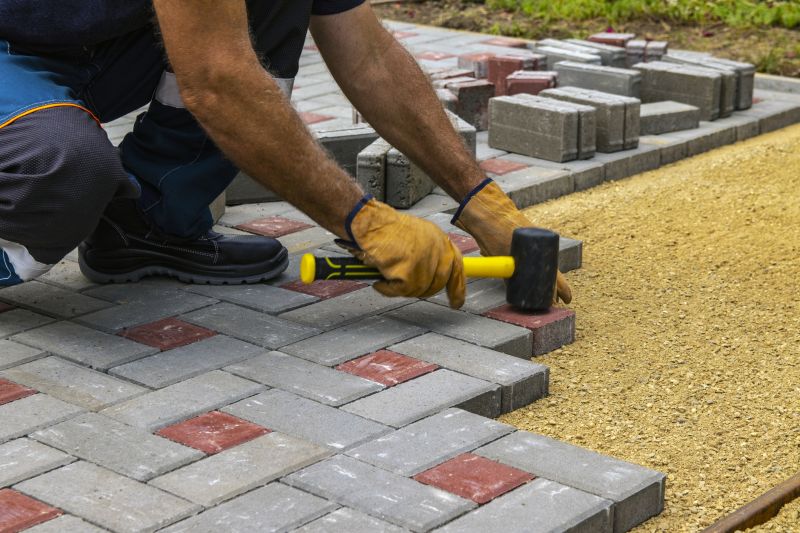
Many property owners in the area notice paver shifting and settling after seasonal changes or heavy weather conditions. Everyday situations such as improper initial installation, where the base wasn't adequately prepared, can lead to instability over time. Additionally, frequent foot or vehicle traffic on paver surfaces can cause gradual movement, especially if the pavers weren't laid with proper spacing or support. Local contractors skilled in paver repair often address these issues by assessing the underlying causes and restoring the stability of the surface.
Other common causes of paver shifting and settling include soil movement beneath the paved area, often due to erosion or moisture fluctuations. Poor drainage around the property can lead to water seeping underneath, weakening the base and causing the pavers to shift or sink. Over time, tree roots growing nearby may also exert pressure and disturb the paver layout. When these issues arise, experienced service providers can evaluate the site and recommend appropriate repair solutions to maintain a level, secure surface.
What are common causes of paver shifting and settling? Common causes include soil erosion, poor base preparation, and inadequate compaction, which can lead to instability and movement of pavers. Local contractors experienced in paver repair can assess and address these issues effectively.
How does soil movement affect paver stability? Soil movement, such as settling or shifting due to moisture changes or erosion, can cause pavers to shift or settle unevenly. Skilled service providers can identify and stabilize the soil to prevent further shifting.
Can improper base installation lead to paver settling? Yes, insufficient or poorly compacted base material can result in uneven settling and shifting over time. Local pros can excavate and properly prepare the base to ensure long-lasting stability.
What role does moisture play in paver shifting? Excess moisture can weaken the soil beneath pavers, causing it to shift or settle. Service providers can implement drainage solutions and stabilize the base to mitigate moisture-related issues.
How can tree roots cause paver movement? Tree roots can grow beneath pavers, exerting pressure and leading to shifting or lifting. Experienced contractors can remove or manage roots to maintain paver stability.
Soil erosion and poor drainage can cause paver shifting, so property owners might consider improving grading or installing drainage solutions with the help of local contractors.
Inadequate base preparation often leads to settling, making it beneficial to have local pros assess and reinforce the foundation before installing new pavers.
Tree roots growing underneath can lift or shift pavers, prompting property owners to consult with local specialists about root barriers or removal options.
Heavy loads and frequent traffic may cause paver movement, encouraging property owners to work with local service providers to reinforce or replace affected areas.
If you are thinking about common causes of paver shifting and settling for a property, this guide is meant to help you understand this topic, the typical project types, and how different options might fit your plans.
When you are ready, you can use the quote form on this page to share a few details about your project. From there, local pros can review the basics and follow up with options that match what you have in mind.